Article
Tell It Slant
Tell It slant
by Melissa Gibson Smith
A Note from the Editor
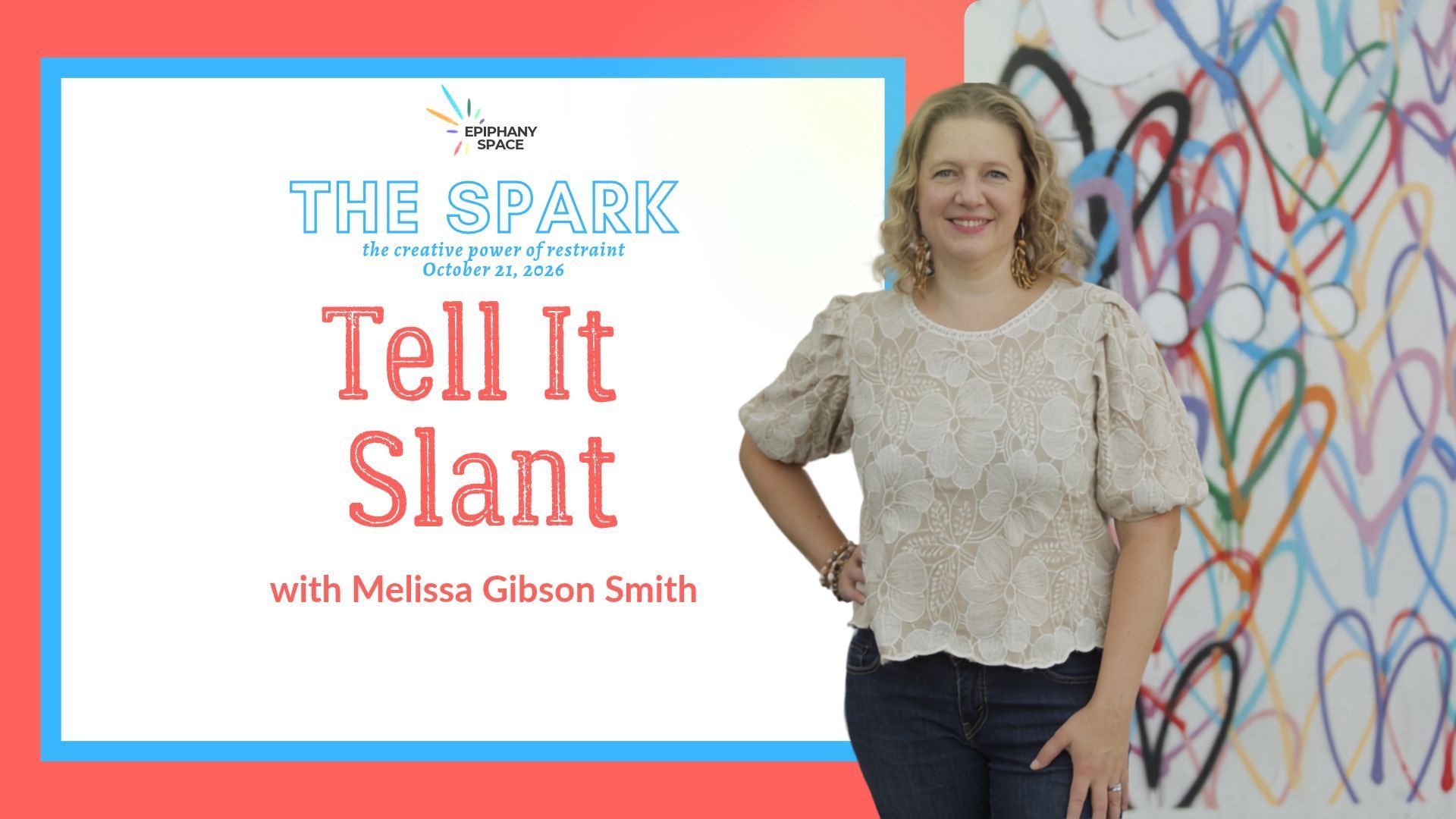
This week in The Spark, Melissa Gibson Smith explores what it means to tell the truth without revealing everything.
The poem you return to. The memory you reshape. The detail that says more than a confession ever could.
There is courage in being honest. There is wisdom in knowing what to keep.
Our experiences belong to us, even when they find their way into our art.
Maybe vulnerability isn't about revealing more. Maybe it's about letting the work tell the truth.
After Emily Dickinson died in 1886, her sister Lavinia went through her room and found hundreds of poems. Many had been copied out by hand and stitched together with thread into small booklets. In all, Dickinson wrote nearly eighteen hundred poems. Fewer than a dozen were published during her lifetime, and most of those were without her name.
Among her papers were drafts of three letters addressed only to "Master." They are some of the most emotionally raw pages she ever wrote. More than a century later, scholars still disagree about who they were meant for, and whether they were ever sent.
Dickinson wrote about grief, desire, fear, and death with a directness that still moves readers deeply, and she did it while keeping large parts of her own life out of view.
One of her poems opens with a line that may give us insight into her method: "Tell all the truth but tell it slant." A few lines later, she explains why. "The Truth must dazzle gradually / Or every man be blind."
Many artists have absorbed the idea that vulnerability in their creativity means revealing every private detail of their lives, and that the more you reveal, the braver you are, and the rawer the confession, the truer the art. Scroll social media for five minutes, and you'll find artists turning their hardest moments into content, sometimes before those moments are over.
That approach works for some people, but for many of us it sets up a false choice between exposing everything and playing it so safe that our work loses our voice. Some artists overshare and spend weeks feeling hollowed out, while others pull back so far that the work turns polished and distant, technically fine but emotionally empty.
Dickinson points to a third way: vulnerability isn't exposure. Brené Brown, who has spent decades researching vulnerability, puts it plainly when she says vulnerability without boundaries isn't vulnerability. You don't owe every reader every fact. You can keep names private, let one detail like a coat on a hook or a chair nobody sits in anymore stand in for a whole season of your life, and write about a loss without narrating every painful moment of it. That's what telling it slant looks like: the whole truth, carried by an image instead of an explanation.
Privacy and healthy boundaries protect the artist, and the work can be vulnerable without the artist being unprotected. We don't become vulnerable by exposing everything. We become vulnerable by becoming honest enough to let our voice and our experiences enter into what we create.
Alone at the desk, it's hard to tell whether you're holding something back out of wisdom or hiding behind the work, but other artists can often see what you can't. The most useful thing someone can say isn't always "tell us more." Sometimes it's "right here, in this line, I can feel what you've lived through."
At Epiphany Space, we try to give each other that kind of attention, caring about what the work is saying while respecting what the artist has chosen to keep.
Reflection: What truth have you learned that your work could carry without telling the whole story?
Continue Your Creative Journey
Your creative ecosystem grows through collaboration, connection, and the people who help you bring your biggest ideas to life.
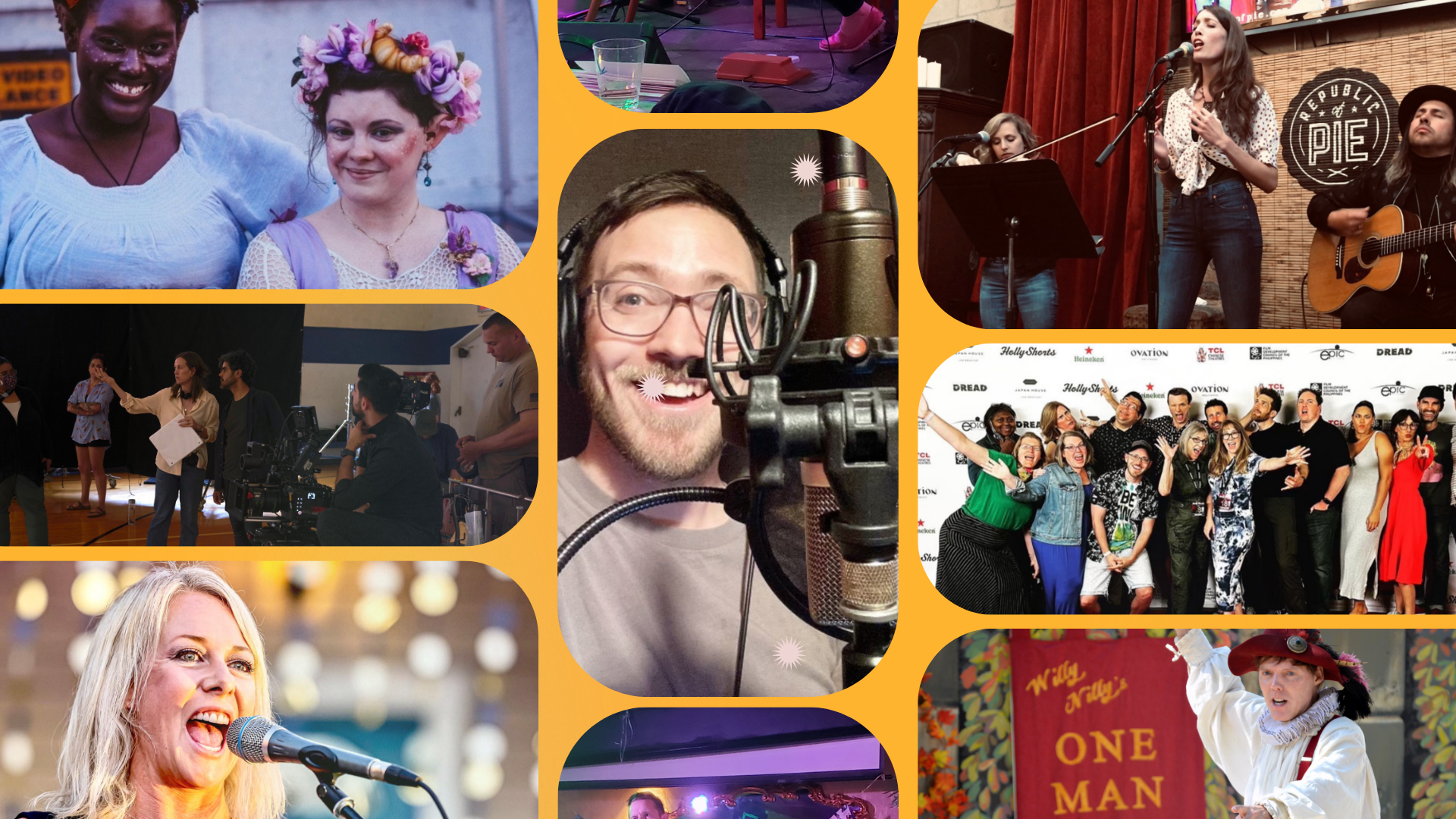
If you're looking for an online artist community where writers, filmmakers, musicians, visual artists, and creative entrepreneurs encourage one another and stay accountable to their goals, we'd love to welcome you to Epiphany Space.
Inside our creative community membership, you'll find:
- Weekly coworking sessions
- Peer mentorship groups
- Creative workshops & retreats
- A supportive community that helps you keep creating
MELISSA GIBSON SMITH: Founder & Creative Coach
Melissa Gibson Smith is a dedicated and passionate coach committed to helping artist’s and creative entrepreneurs thrive’ emotionally, physically, and spiritually. Melissa’s approach is trauma-informed and holistic, providing one-on-one spiritual and creative coaching sessions to help individuals overcome blocks that impact their lives and creativity. She conducts workshops, and the signature “Healing the Soul of the Artist” Masterclass, aiming to foster personal and professional growth. She has launched multiple businesses and a non-profit in California, New York, and Georgia as a culinary and hospitality executive.
As a healer and spiritual coach for over 15 years, Melissa understands the impact that the highs and lows of life have on our creative journey. These experiences enable her to bring a unique perspective to her coaching practice. Melissa’s goal is to create a safe nurturing environment that fosters love, belonging, play, and creativity; ultimately helping individuals achieve their full potential.
RELATED ARTICLES:
FREQUENTLY ASKED QUESTIONS
What does “Tell all the truth but tell it slant” mean?
Emily Dickinson's phrase suggests that truth can be communicated indirectly, through imagery, symbolism, and carefully chosen details. Artists can express complex emotions and experiences without explaining every personal detail.
How can artists be vulnerable without oversharing?
Artists can draw on genuine emotions and experiences while maintaining personal boundaries. A single image, setting, or detail can communicate a profound truth without exposing every aspect of a private experience.
How can creative community help artists grow?
A supportive creative community offers opportunities for feedback, accountability, collaboration, and encouragement. Fellow artists can help writers, filmmakers, musicians, and visual artists recognize strengths and possibilities they might overlook when working alone.
Where can artists find a supportive creative community?
Epiphany Space offers an online artist community for writers, filmmakers, musicians, visual artists, and creative entrepreneurs. Members can connect with peers, participate in creative activities, and access opportunities for mentorship and accountability. Learn more at Epiphany Space Membership.
How can artists overcome fear and self-doubt in their creative work?
Artists can benefit from reflective practices, supportive feedback, and personalized coaching. The
Healing the Soul of the Artist Masterclass explores creative blocks, limiting beliefs, and ways to reconnect with artistic expression.
share this
Related Articles
Related Articles