Article
The Material Was Never the Point
The Material was never the point
by Melissa Gibson Smith
A Note from the Editor
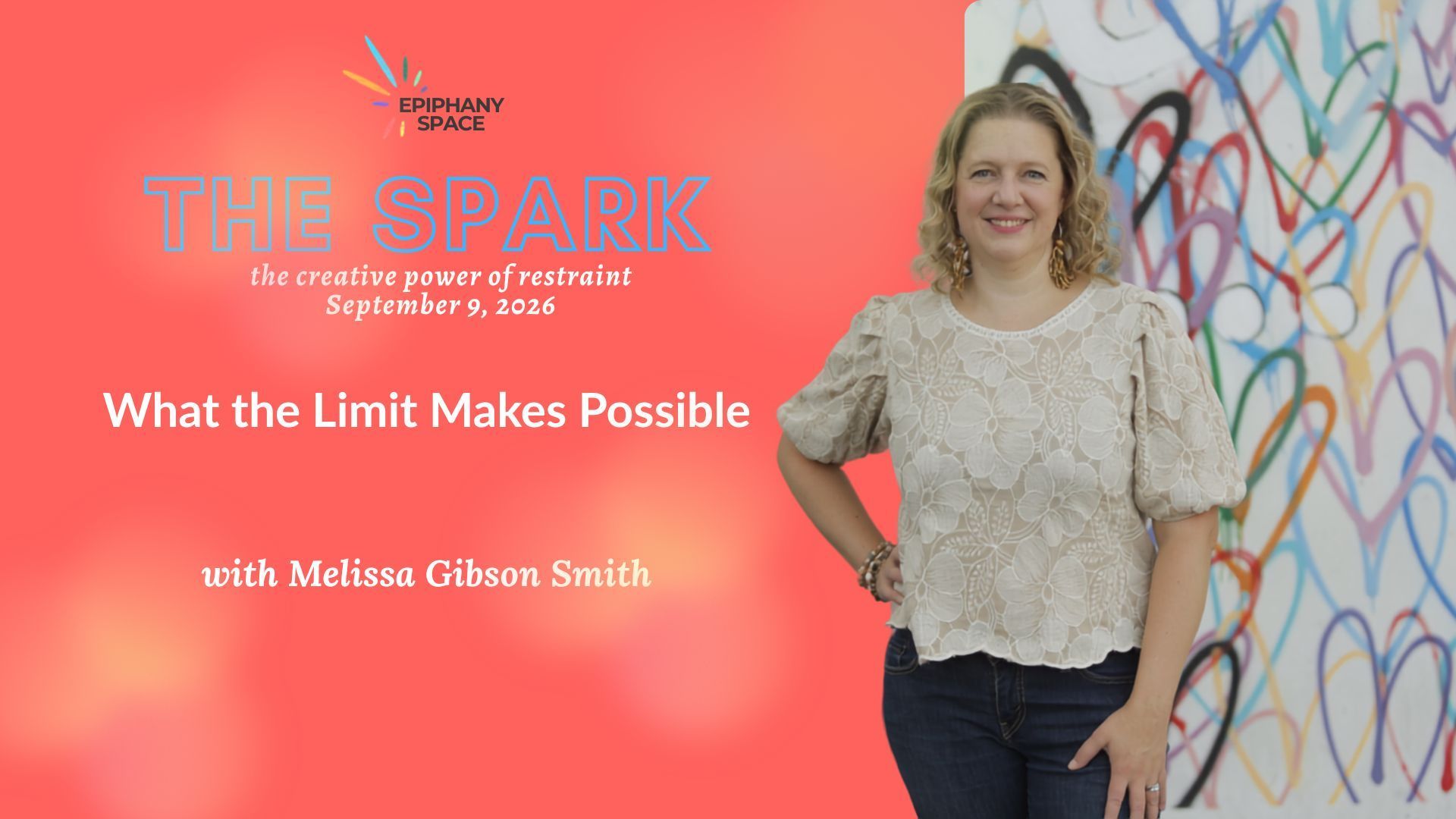
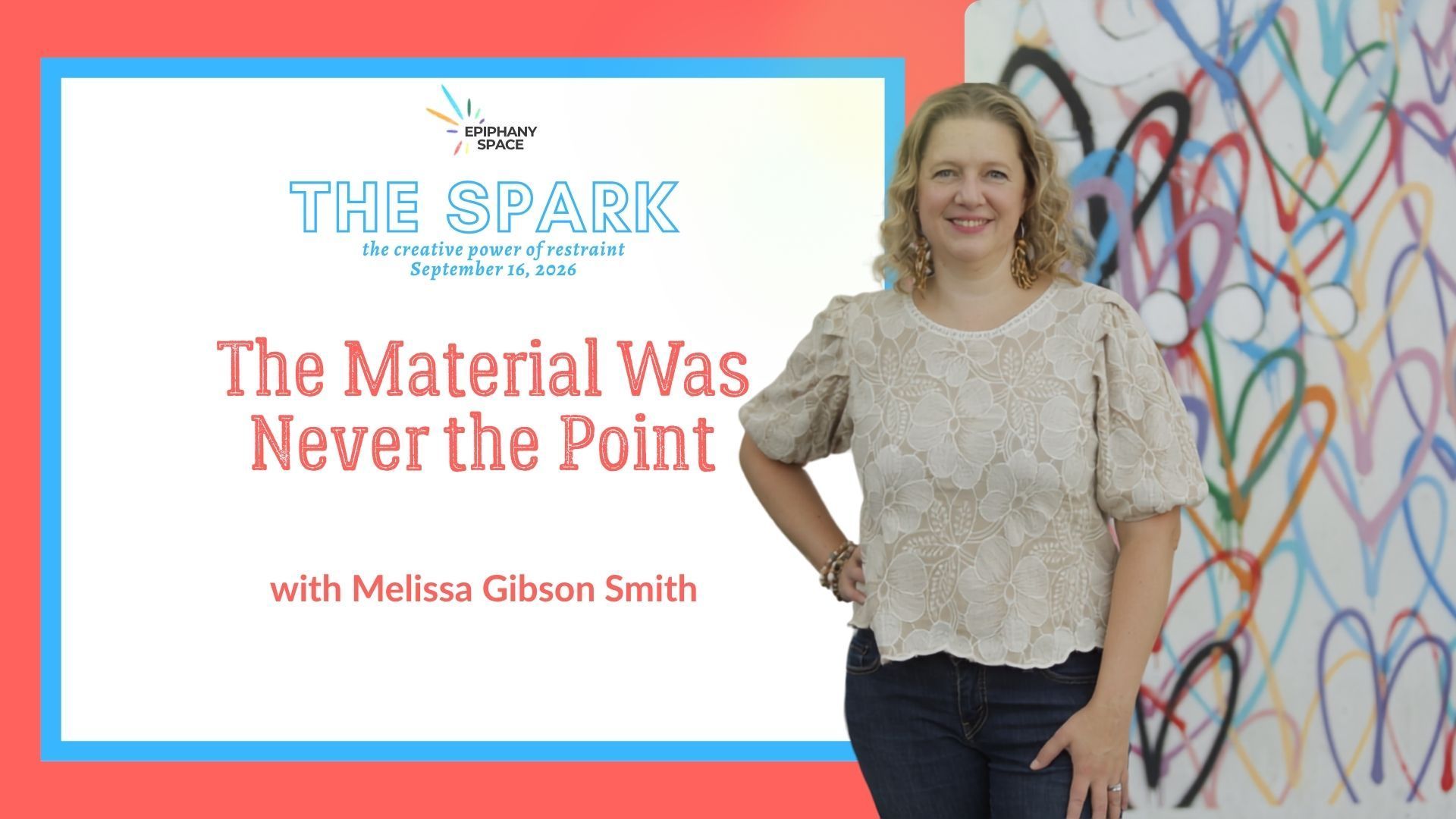
This week in The Spark, Melissa is asking us to look differently at the things we don't have.
It's easy to think our creative work is waiting on something: better equipment, more time, more money, a better studio, the right circumstances.
But what if the things we already have aren't just what we're working around? What if they're part of the work itself?
Melissa looks at filmmakers, artists, and the materials they had on hand to explore a different question:
What if the limitation isn't stopping you? What if it's giving you something to work with?
In 1991, Robert Rodriguez wanted to make a film and had no money to make it with. So he checked himself into a research hospital and spent a month as a paid subject in a drug trial, which funded most of a $7000 budget. He shot in Ciudad Acuña with a cast of friends and locals, no crew to speak of, and no way to pay for the things a real film set usually requires. A wheelchair became his dolly. A turtle stood in for an effect he couldn't afford. He edited in his apartment because that was the equipment he had.
El Mariachi didn't succeed in spite of any of that. It succeeded because of it. The fast, economical style that became his signature, minimal dialogue, kinetic cutting, one location doing the work of five, wasn't a director's choice made from unlimited options. It was what seven thousand dollars and a month in Ciudad Acuña could actually produce. The constraint didn't get hidden once he had a real budget for his next film. It became the voice.
A different kind of resourcefulness had been forming for generations in Gee's Bend, Alabama. Women pieced quilts from clothes their families had already worn through: corduroy, denim, canvas work shirts, feed sack cotton. The fabric on hand wasn't a compromise. It was passed down as a way of working, mother to daughter, and decades later those quilts hung in the Whitney and the Metropolitan Museum of Art.
Two very different traditions, and the same pattern underneath both. Neither treated the materials at hand as a placeholder for something better. The town, the fabric, the tools, became part of the creative vocabulary itself. Not the obstacle to the work. Part of the story the work ended up telling.
A lot of us do the opposite with our own circumstances. We talk about the footage shot on a phone, the demo recorded in a bedroom, the manuscript drafted in the margins of a job that has nothing to do with writing, as if the real work is still waiting somewhere on the other side of better equipment. But what you have access to right now, your history, your skills, your relationships, the actual place you live, is already part of your creative vocabulary. Not a limitation you're working around. Raw material you're working with.
This is a lot of what happens inside a Creative Salon. Nobody waits for a fully outfitted studio before bringing work into the Space. You bring what you made this week, with what you had this week, and the people around you help you see what's actually there.
Reflection:
What have you been calling a limitation that might actually be raw material?
Continue Your Creative Journey
Your creative ecosystem grows through collaboration, connection, and the people who help you bring your biggest ideas to life.
If you're looking for an online artist community where writers, filmmakers, musicians, visual artists, and creative entrepreneurs encourage one another and stay accountable to their goals, we'd love to welcome you to Epiphany Space.
Inside our creative community membership, you'll find:
- Weekly coworking sessions
- Peer mentorship groups
- Creative workshops & retreats
- A supportive community that helps you keep creating
MELISSA GIBSON SMITH: Founder & Creative Coach
Melissa Gibson Smith is a dedicated and passionate coach committed to helping artist’s and creative entrepreneurs thrive’ emotionally, physically, and spiritually. Melissa’s approach is trauma-informed and holistic, providing one-on-one spiritual and creative coaching sessions to help individuals overcome blocks that impact their lives and creativity. She conducts workshops, and the signature “Healing the Soul of the Artist” Masterclass, aiming to foster personal and professional growth. She has launched multiple businesses and a non-profit in California, New York, and Georgia as a culinary and hospitality executive.
As a healer and spiritual coach for over 15 years, Melissa understands the impact that the highs and lows of life have on our creative journey. These experiences enable her to bring a unique perspective to her coaching practice. Melissa’s goal is to create a safe nurturing environment that fosters love, belonging, play, and creativity; ultimately helping individuals achieve their full potential.
RELATED ARTICLES: Expolore the Creative Power of Restraint
FREQUENTLY ASKED QUESTIONS
What are creative constraints?
Creative constraints are limitations that shape the conditions in which an artist works. They can include limited time, money, resources, physical abilities, collaborators, materials, or other circumstances. Rather than always preventing creativity, constraints can sometimes help artists make clearer and more focused creative decisions.
Can creative limitations make you more creative?
Yes. A limitation can force an artist to make decisions, experiment with different approaches, and find solutions they might not have considered with unlimited options. The goal isn't to seek out unnecessary limitations, but to recognize what a particular constraint might make possible.
How can artists work through creative blocks?
Creative blocks can have many causes, including isolation, perfectionism, fear, uncertainty, burnout, and unresolved creative or personal issues. Supportive creative communities, accountability, mentorship, coaching, and opportunities to share work can help artists regain momentum.
Why is community important for artists?
Creative work can be deeply solitary, but artists still need relationships, feedback, encouragement, collaboration, and accountability. A creative community gives artists people who understand the particular challenges of making work and can help them keep moving forward.
Is Epiphany Space a good community for independent artists?
Epiphany Space is a global creative community for artists and creative entrepreneurs across disciplines, including writers, filmmakers, musicians, and visual artists. Membership provides opportunities for peer mentorship, writing groups, coworking, masterminds, events, and connection with other creatives.
share this
Related Articles
Related Articles