Article
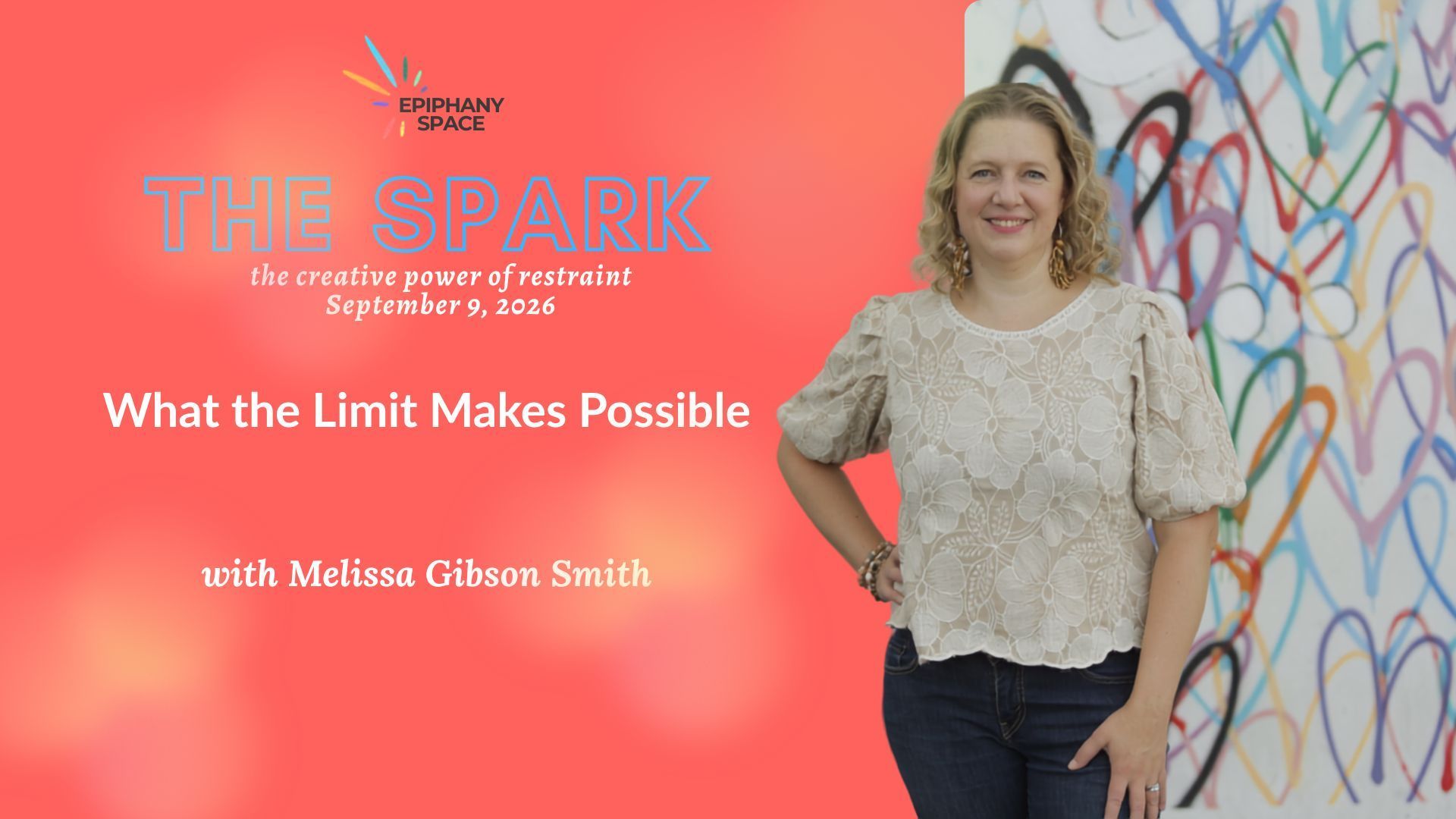
What the Limit Makes Possible
What The Limits Make Possible
by Melissa Gibson Smith
A Note from the Editor
This month in The Spark, we're exploring the creative power of restraint.
We often talk about creativity as if freedom is the ultimate goal: more time, more money, more resources, more opportunities. But sometimes the boundaries around us aren't simply obstacles to overcome. They can become part of the creative process itself.
Throughout September, we'll be looking at what happens when artists stop asking "How do I get around this?" and start asking
"What might this make possible?"
Beethoven wrote some of his most structurally daring later work after he had lost most of his hearing. He could no longer rely on what a room sounded like to guide him. He had to compose from his
inner world, from what he knew a chord should do rather than what he could hear it doing in the moment.
The result wasn't cautious. It wasn't a smaller, safer version of what he'd written before. It was some of the most ambitious work of his career.
Composer John Williams encountered a different kind of constraint. When Steven Spielberg asked him to score
Schindler's List, a film about the Holocaust, Williams told him he needed a composer better than himself for something this significant. Spielberg's answer, as Williams has told the story since, was that the better composers were all dead.
Williams wrote the score anyway. And where his career had been built on lush, full orchestral sound, he pulled the score inward. The emotional center became a single violin, performed by Itzhak Perlman, carrying much of the film's grief in a voice that feels almost unbearably human.
Neither of these is a story about talent surviving despite a limitation. They're stories about artists who treated the limitation, whether it was forced on them or emerged from the work itself, as an element of discipline in the work.
Most creative advice stops at removing obstacles. Get more time, more budget, more freedom, and the work will finally become what it's supposed to be. That's a reasonable place to start, and there's nothing wrong with wanting more space. But it stops being useful once you've been at this a while, and the space never seems to be what was missing.
The more useful question, the one worth sitting with this week, isn't how do I get past this? It's what is this condition teaching me to make? Not what you'd create if the constraint disappeared. What the constraint has already been teaching you, right now, in a language you might not have recognized as a language yet.
This is part of why we built Epiphany Space the way we did. An animator in Tennessee, working alone in a home studio, doesn't need more equipment to grow. She needs a voice-over artist in Los Angeles who will say yes to a project neither of them could finish by themselves. A poet in Indiana isn't short on solitude. She's short on the writers in Georgia and Minnesota who read her drafts and tell her the truth. The constraint of working alone gets composed with, not removed, the moment you bring the right people into it.
Who's in that Space for you right now?
What's one constraint in your work you've been trying to remove
that might actually be the thing sharpening it?
Continue Your Creative Journey
Your creative ecosystem grows through collaboration, connection, and the people who help you bring your biggest ideas to life.
If you're looking for an online artist community where writers, filmmakers, musicians, visual artists, and creative entrepreneurs encourage one another and stay accountable to their goals, we'd love to welcome you to Epiphany Space.
Inside our creative community membership, you'll find:
- Weekly coworking sessions
- Peer mentorship groups
- Creative workshops & retreats
- A supportive community that helps you keep creating
MELISSA GIBSON SMITH: Founder & Creative Coach
Melissa Gibson Smith is a dedicated and passionate coach committed to helping artist’s and creative entrepreneurs thrive’ emotionally, physically, and spiritually. Melissa’s approach is trauma-informed and holistic, providing one-on-one spiritual and creative coaching sessions to help individuals overcome blocks that impact their lives and creativity. She conducts workshops, and the signature “Healing the Soul of the Artist” Masterclass, aiming to foster personal and professional growth. She has launched multiple businesses and a non-profit in California, New York, and Georgia as a culinary and hospitality executive.
As a healer and spiritual coach for over 15 years, Melissa understands the impact that the highs and lows of life have on our creative journey. These experiences enable her to bring a unique perspective to her coaching practice. Melissa’s goal is to create a safe nurturing environment that fosters love, belonging, play, and creativity; ultimately helping individuals achieve their full potential.
RELATED ARTICLES: Expolore the Creative Power of Restraint
FREQUENTLY ASKED QUESTIONS
What are creative constraints?
Creative constraints are limitations that shape the conditions in which an artist works. They can include limited time, money, resources, physical abilities, collaborators, materials, or other circumstances. Rather than always preventing creativity, constraints can sometimes help artists make clearer and more focused creative decisions.
Can creative limitations make you more creative?
Yes. A limitation can force an artist to make decisions, experiment with different approaches, and find solutions they might not have considered with unlimited options. The goal isn't to seek out unnecessary limitations, but to recognize what a particular constraint might make possible.
How can artists work through creative blocks?
Creative blocks can have many causes, including isolation, perfectionism, fear, uncertainty, burnout, and unresolved creative or personal issues. Supportive creative communities, accountability, mentorship, coaching, and opportunities to share work can help artists regain momentum.
Why is community important for artists?
Creative work can be deeply solitary, but artists still need relationships, feedback, encouragement, collaboration, and accountability. A creative community gives artists people who understand the particular challenges of making work and can help them keep moving forward.
Is Epiphany Space a good community for independent artists?
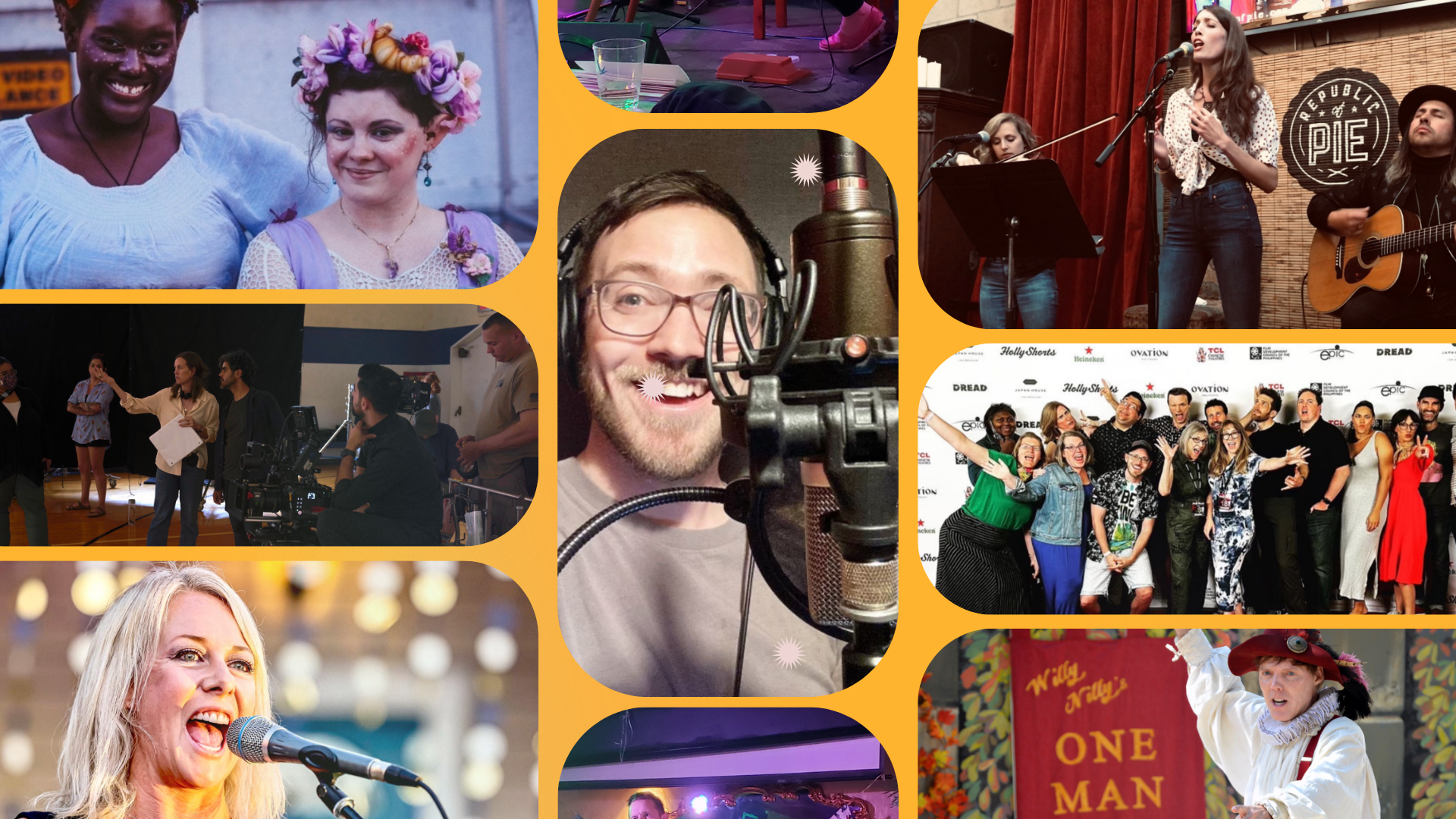
Epiphany Space is a global creative community for artists and creative entrepreneurs across disciplines, including writers, filmmakers, musicians, and visual artists. Membership provides opportunities for peer mentorship, writing groups, coworking, masterminds, events, and connection with other creatives.
share this
Related Articles
Related Articles